Finding a Reliable Plumber or Electrician in a Rural Area: What Works and What Doesn't
/ by Meabh Doyle / 3 min read / Trades and Renovation
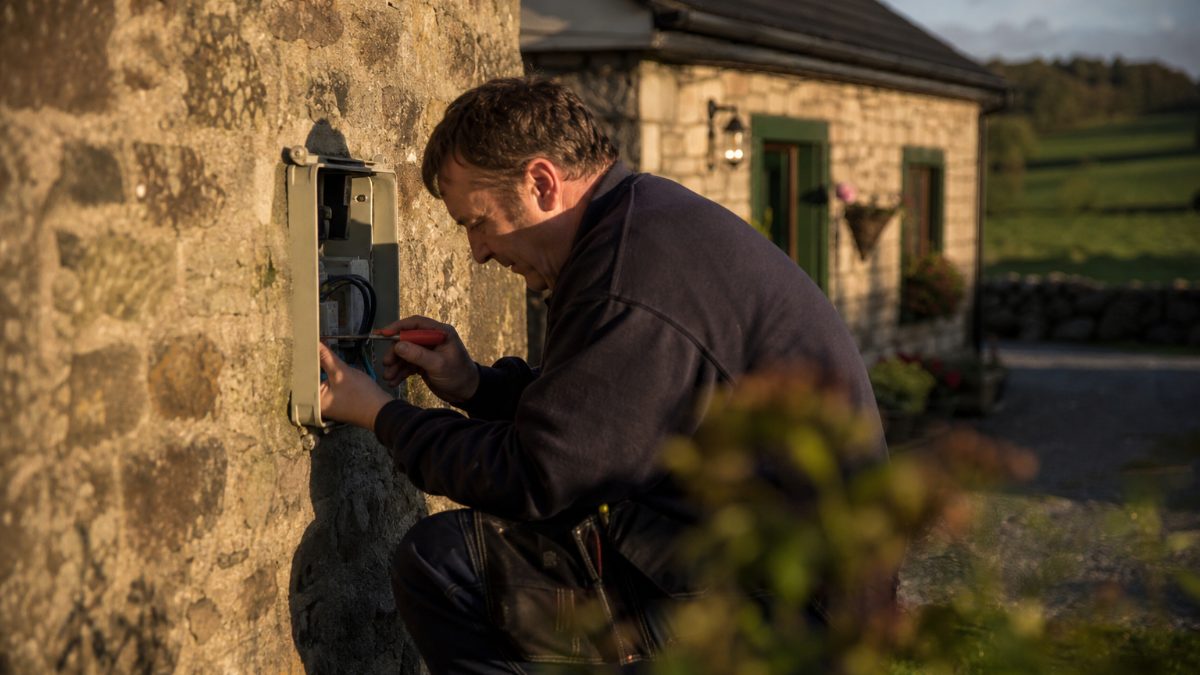
Living out here, whether that's a few kilometres from Athleague or down a lane outside Ballygar, means you can't just ring three plumbers on a Monday and expect someone by Wednesday. Finding a reliable tradesperson in a rural area takes a bit more patience and a slightly different approach than it would in a town. Here are the questions people ask most often, answered as plainly as possible.
Why don't the big online platforms work well here?
Sites that promise to connect you with local tradespeople are built around population density. They work reasonably well in Galway city or Dublin suburbs, where there are dozens of registered users within a few kilometres. Out here, you might get one or two results, and they could be based an hour's drive away. Some listings are months or years out of date. A tradesperson might have retired, moved on or stopped taking on domestic work entirely. The platform won't necessarily know that.
It's not that these sites are useless, but treat them as a starting point rather than a solution. If you get a name, ring them directly and ask if they're still taking work in your area before you go any further.
So where does actually work?
Word of mouth, honestly. Ask at the nearest hardware shop, talk to a neighbour who's done recent work on their house, or post in a local Facebook group for the parish or the county. People in rural areas tend to know who showed up on time, did the job properly and didn't disappear when a problem came up afterwards. That kind of reputation travels, in both directions.
The local GAA club notice board, the co-op, the credit union office, even the post office, these are places where recommendations still happen in person. It sounds old-fashioned but it's genuinely more reliable than a star rating from someone you've never met.
How do I check if a tradesperson is actually registered?
For electricians, you want someone who is registered with Safe Electric Ireland. This is a legal requirement for electrical installation work in Irish homes, and you can check the register on their website. A registered electrician will give you a Certificate of Completion after the work is done. If someone offers to do the job without that cert, walk away. You'll need that paperwork for insurance purposes and for any future sale of the property. If you're thinking about larger electrical work, it's worth reading about what it actually costs to rewire an old farmhouse in Roscommon before you get quotes.
For plumbers, the relevant body is CIRI, the Construction Industry Register Ireland. Registration there is voluntary rather than mandatory, but it's a reasonable signal that someone is taking their trade seriously. Gas installers are a different matter: anyone working on gas must be registered with RGI, Registered Gas Installers of Ireland. That one is non-negotiable.
What should I put in writing before work starts?
More than most people do. Even for a job that feels small, get the agreed price in writing, either by email or a simple typed quote. Note what's included and, just as importantly, what isn't. Ask what happens if something unexpected comes up once they open a wall or dig up a floor. A rough timeline is useful too, not because you'll hold someone to it rigidly, but because it gives you a basis for a conversation if things drag.
Don't hand over a large deposit before work starts unless you've used the person before or they come very well recommended. A reasonable deposit for materials is fair enough. Paying most of the job upfront to someone you've never met is a risk you don't need to take.
What if I genuinely can't find anyone available?
This happens, especially for smaller jobs. Tradespeople in rural areas are often fully booked with larger contracts, and a one-day plumbing repair might not be easy to fit in. Being flexible on timing helps. So does being clear about the scope of the job when you first make contact, nobody wants to drive forty minutes only to find the work is more complex than described.
If a job involves your septic system, that adds another layer of complexity beyond the tradesperson question alone, and what we learned about getting a septic tank inspected in rural Galway covers some of that ground in more detail.
Keep a note of anyone who does good work for you. Out here, a good tradesperson's number is worth holding onto.