Is a Solid Fuel Stove Still Worth Installing in an Irish Country Home in 2025?
/ by Cathal Whelan / 3 min read / Trades and Renovation
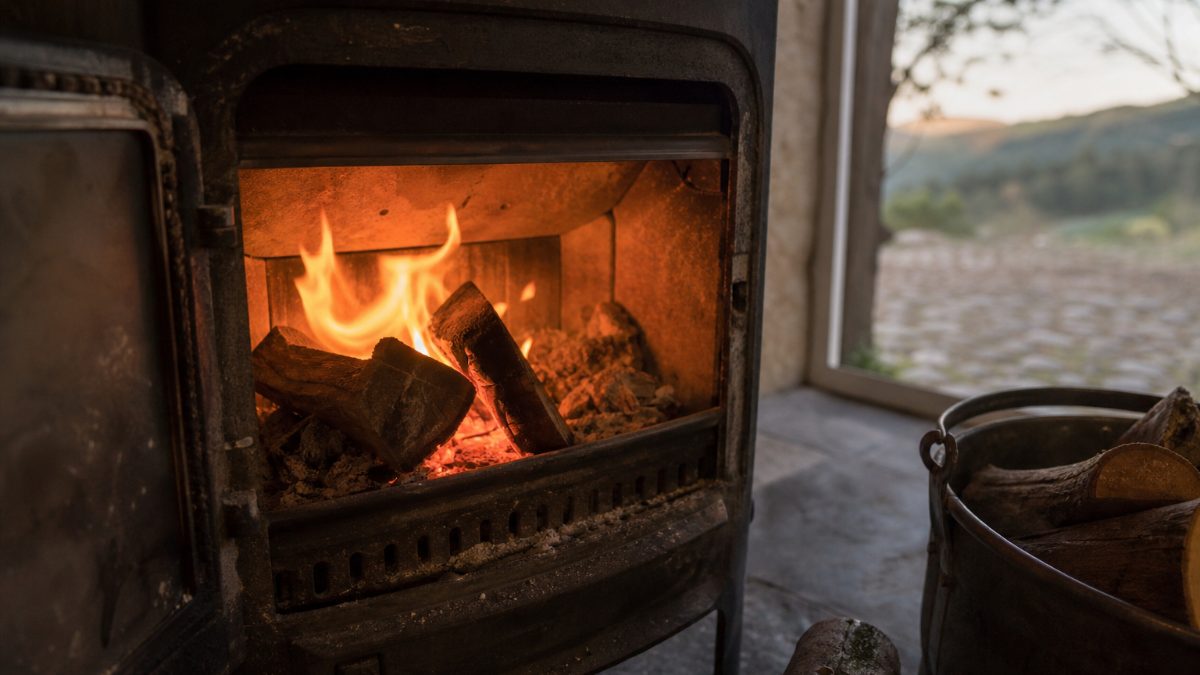
The short answer is: it depends on the house. But for a lot of older rural properties along the Suck Valley corridor, a solid fuel stove is still one of the more sensible decisions you can make, provided you go in with your eyes open about the costs and the regulations.
Let me run through both sides of it honestly.
The case against installing one
Air quality regulations have tightened in recent years. Since 2022, the sale of smoky coal has been banned across Ireland, not just in cities. That matters if you were planning to run a stove on whatever fuel was cheapest. Seasoned hardwood and approved smokeless fuels are what the rules point you toward now, and they cost more than the bags of coal that used to stack up outside every hardware shop in Roscommon and Galway.
Running costs are genuinely harder to predict than they used to be. A well-insulated house with a stove as a secondary heat source is a different calculation to an older stone cottage with draughty windows where the stove ends up doing all the heavy lifting through winter. In the second case, you can burn through fuel faster than you expect.
Grant support through the SEAI is weighted toward heat pumps, attic insulation, and wall insulation. A solid fuel stove on its own is not going to attract a grant. If you are spending money on the house, the grant scheme pushes you in a different direction, and that is worth acknowledging.
Installation is not trivial either. A new liner for an existing chimney, a good quality stove, hearth work, and a registered installer can run to three thousand euro or more without much difficulty. If the chimney needs significant repair first, that number climbs.
The case for going ahead anyway
Independence from the grid is worth something real, especially in rural areas where power cuts in January are not a theoretical risk. A stove works when the electricity is out. It heats the room it is in very effectively. It does not require a complicated system, a WiFi connection, or a service contract to keep running.
For older houses, particularly solid-walled farmhouses built before cavity walls were standard, a stove often suits the building better than a heat pump does. Heat pumps work best in well-insulated, airtight houses. A lot of the older properties around this part of the midlands are neither of those things, and retrofitting them to the standard a heat pump needs can cost far more than the stove would.
There is also the comfort argument, which sounds soft until you are sitting beside one on a wet February evening. The kind of heat a stove puts out feels different to radiators. That is not a marketing line, it is just physics: radiant heat warms surfaces and people rather than just the air. In a room with high ceilings or stone walls, that matters.
Fuel sourcing is more local than many people realise. Seasoned hardwood from someone nearby, or briquettes from an Irish manufacturer, keeps the spend relatively close to home. It is not the cheapest fuel going, but the supply chain is simpler than you might think.
Who it makes sense for in 2025
If you have an older rural property, a working chimney, and you are planning to stay in the house long term, a stove is probably still worth considering as one part of a broader heating setup. Not as the only source of heat, but alongside whatever else you have. A solid fuel stove in the main living space, backed up by oil or electric heating for the rest of the house, gives you flexibility that a single system does not.
If you are in the middle of a bigger renovation and trying to work out where the money goes, it is worth looking at the full picture. A rewire, for instance, can reshape what your heating options look like, and the real costs of rewiring an older farmhouse are worth understanding before you commit to any particular heating approach.
The stove is not the answer to everything. But in the right house, it still earns its place.