Five Things That Go Wrong When You Plant a Native Hedge in the Wrong Season
/ by Meabh Doyle / 3 min read / Gardens and Outdoors
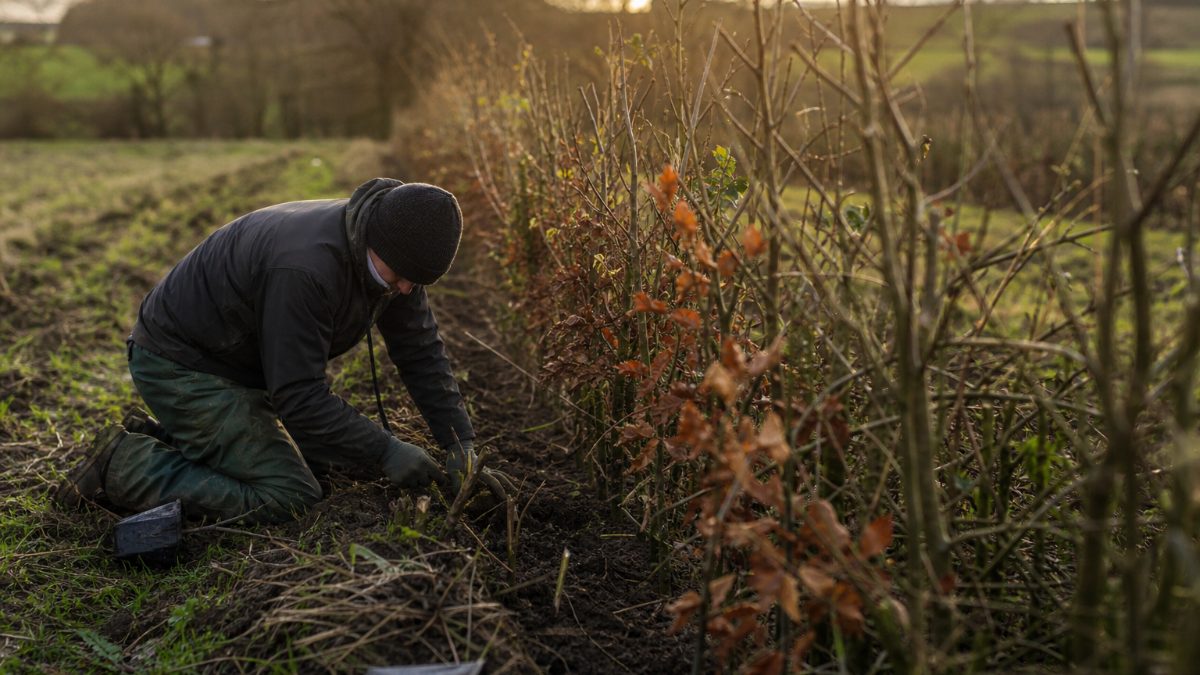
Planting a native hedge sounds straightforward enough. Buy some bare-root whips, dig a trench, water them in. But if you get the timing wrong, or skip a step in the ground preparation, you can lose half a row in the first summer and not fully understand why. These are the five things that trip people up most often, particularly in the midlands where the soil and the weather have their own ideas.
1. Planting too late in spring and losing half your blackthorn
Bare-root native hedging, blackthorn especially, needs to go in while it is still dormant. That window runs roughly from late November through to late February, maybe early March if the weather has stayed cold. Plant a blackthorn whip in April and the plant is already trying to push leaves while its roots are sitting in disturbed, dry soil with no established connection to anything. It burns through its reserves fast. Many simply give up. The timing is not just a guideline. It is probably the single most important factor.
2. Skipping proper weed control before planting hawthorn
Hawthorn is tough once established, but in its first two seasons it cannot compete with couch grass and docks. If you plant into unchecked grass and expect the whips to fight through, most of them will struggle badly. The grass around the base pulls moisture from the same shallow zone the young roots are trying to explore. You need to clear a proper strip, at minimum half a metre wide, before you put a single plant in the ground. A layer of cardboard under bark mulch works well and avoids chemicals. Do this weeks before planting if you can, not the same afternoon.
3. Planting elder in waterlogged ground and expecting it to thrive
Elder tolerates a lot, but it sulks in ground that sits wet through winter. In low-lying midlands fields, particularly near the Suck floodplain, you can have soil that looks fine in October and turns to cold soup by January. Elder planted in those spots will often survive but grow slowly and look miserable for years. If your ground is naturally wet, hawthorn and alder are better choices for the lower sections. Keep elder for drier, more sheltered spots, perhaps near a wall or bank where drainage is better.
4. Planting at the wrong density and ending up with gaps
Most guides suggest three to five plants per metre for a mixed native hedge, and that is a reasonable range. But people often plant too sparsely, thinking the plants will fill in quickly. They do not, at least not in the first three or four years. You end up with a patchy row that lets in wind and gives no real structure. If you are using a mix of hawthorn, blackthorn, elder, and maybe some crab apple or spindle, plant on the closer end of that range. It feels like a lot of whips to buy but the result in year five is worth it. Autumn is a good time to plan this out for the following bare-root season, before the nurseries sell out of the better stock.
5. Not staking in exposed sites and losing plants to wind rock
In sheltered gardens this matters less. But on an open field boundary in Roscommon or east Galway, young whips on a ridge get rocked back and forth through winter storms until the roots never really get a grip. Even a simple tree shelter and a cane will make a real difference in the first year. You are not staking for life, just long enough for the root system to anchor itself. Remove supports after a couple of seasons or they can cause their own problems.
If you are unsure about your species mix and want to see what grows naturally in this part of the country, the wildflowers and hedgerow plants along the southern section of the Suck Valley Way give a good sense of what thrives here without much help from anyone.