Autumn Garden Jobs for Anyone with a Large Rural Plot in the Irish Midlands
/ by Cathal Whelan / 3 min read / Gardens and Outdoors
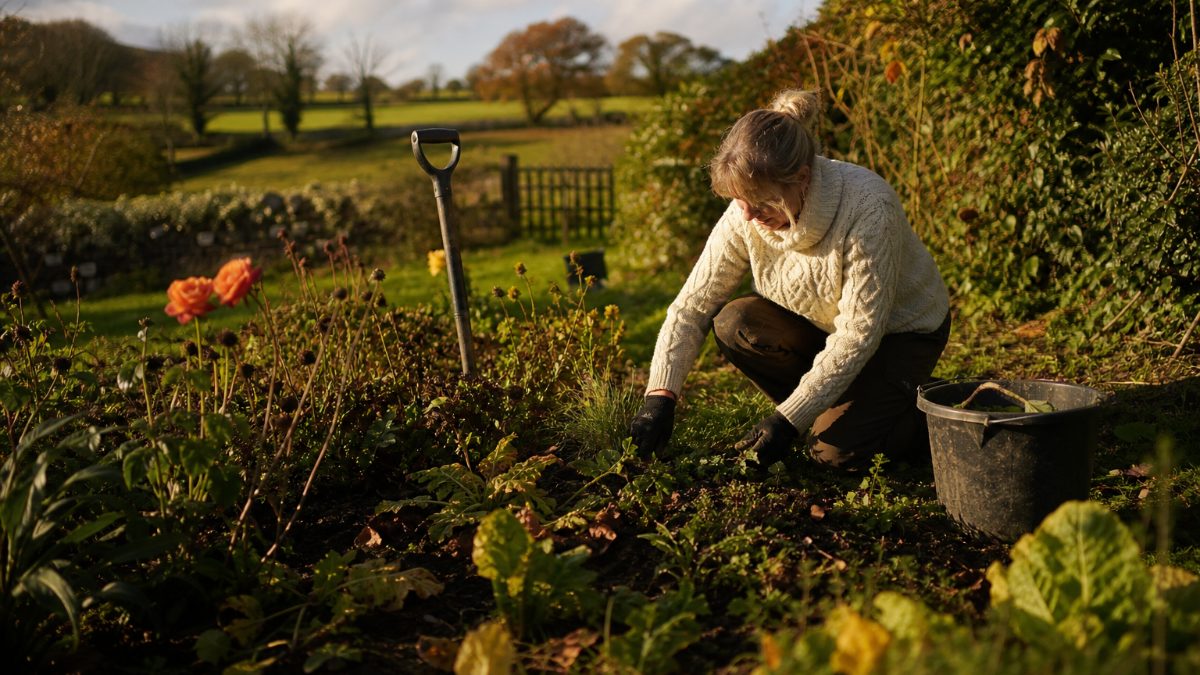
October arrives here and the ground is already doing that thing it does in this part of the country. One decent week of rain and the soil goes from workable to something closer to cold putty. If you have a large plot around a farmhouse or rural property in Roscommon or east Galway, you already know that generic gardening advice about autumn prep often misses the mark. The timing is different here, the soil is heavier, and the drainage problems are real.
Here is a practical checklist tuned to what actually matters on a big rural plot in this corner of Ireland.
Drainage first, before the ground closes up
This is the job most people leave too late. If you have low-lying patches that hold water through winter, now is your last reasonable window to do something about them. Fork over compacted areas while the soil still has some give. If you have been meaning to dig a French drain along a hedge line or beside an outbuilding, do it in September or early October rather than waiting. By November the ground is unforgiving and you will be working in standing water.
Check any existing drainage channels around the property too. Autumn leaves block them fast and a blocked channel in January means frozen, waterlogged ground well into spring.
Cutting back and clearing
- Cut back perennials but leave some seed heads standing through winter. Goldfinches and other small birds use them and the structure looks better than bare ground under frost.
- Get the brambles and rank grass around boundary walls and ditches cut before the end of October. Waiting until spring means dealing with a denser, woodier mess.
- If you have a vegetable plot, clear the spent crops now. Leaving brassica stumps over winter invites club root to establish.
- Lift dahlias and begonias before the first hard frost, dry them off and store somewhere frost-free. A shed or outbuilding that stays above freezing is fine.
Soil improvement
Heavy Roscommon and east Galway soils benefit enormously from autumn composting. Spread well-rotted manure or compost now and let winter do the work of breaking it down. Do not dig it in. Just lay it on the surface and let the worms pull it through. If you have a lot of ground to cover, a trailer load of well-rotted farmyard manure from a nearby farm is worth its weight. Ask around locally, it rarely takes long to find someone with a surplus.
Avoid adding lime at the same time as manure. Leave a few weeks between the two or you lose nitrogen.
Lawn and grass areas
Large rural lawns around here tend to be more meadow than manicured, which is not a bad thing. Give it a last cut before the grass stops growing, usually late October. Scarify if you have the time and equipment. Aerate heavy patches with a garden fork or hollow-tine aerator, especially near paths or gateways where the ground gets compacted by foot traffic.
Tree and hedge work
Once the leaves are off, it is much easier to see what needs doing with trees. Dead or crossing branches are obvious. Autumn into early winter is a good time for structural pruning on most deciduous trees. Leave any hedge cutting near nesting habitat until after August, so by now you are well clear of any restrictions.
If you are starting to think about adding native hedging, bare-root whitethorn and blackthorn plants become available from nurseries in November and they establish far better than container-grown stock planted in spring. Order early because the better suppliers sell out.
One thing worth having sorted before the cold sets in properly is whatever indoor heating you rely on through winter. If yours involves a solid fuel stove or you are thinking about adding one, whether a solid fuel stove still makes sense for an Irish country home is something a lot of people around here have been weighing up lately.