The Wildflowers You'll Pass on the Southern Section of the Suck Valley Way
/ by Cathal Whelan / 3 min read / Gardens and Outdoors
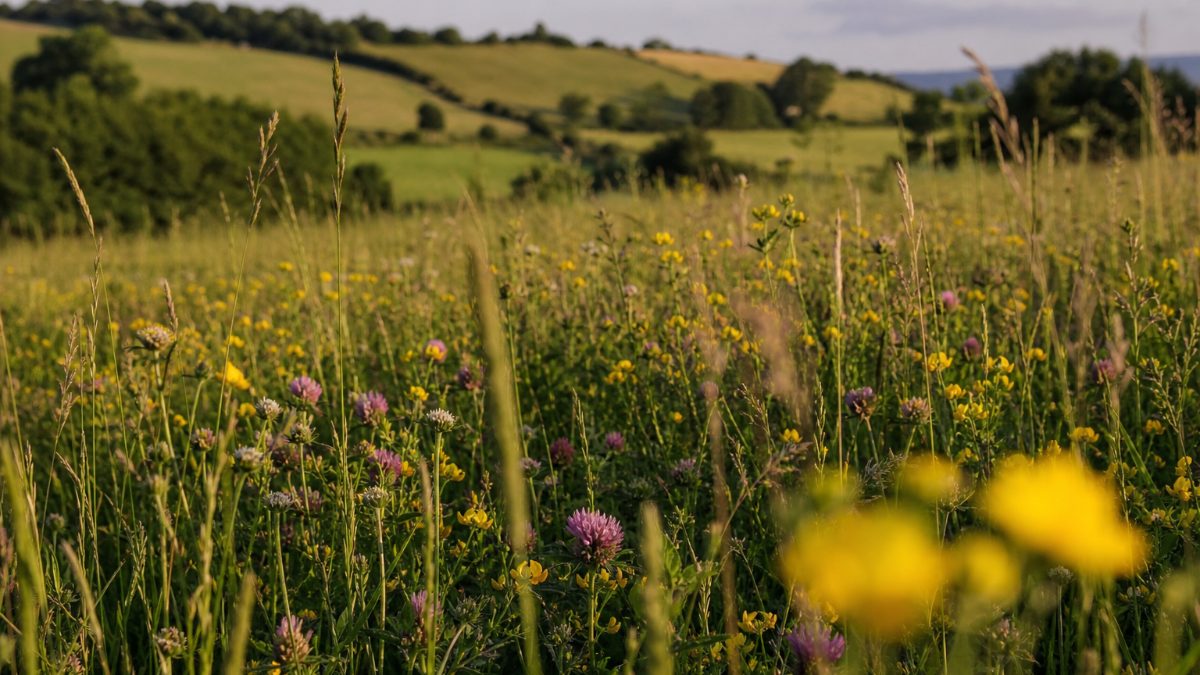
The southern end of the Suck Valley Way, the stretch running roughly between Ballyforan and Athleague, passes through a mix of wet meadow, rough pasture, hedgerow and riverbank that most walkers move through quickly without noticing what's growing at their feet. That's a shame, because the wildflower interest along this section is quietly excellent, especially from late spring through to early autumn.
Here's a rough run through what you're likely to see, and when.
Spring into early summer
Cuckooflower (also called lady's smock) is one of the first to show, usually from April. It likes the damp ground near the river and comes up in loose pale-lilac clusters. Where you see it, orange-tip butterflies usually follow, since it's one of their main egg-laying plants.
Meadow buttercup starts appearing in May and runs well into summer. It's everywhere along this route, especially in the rougher grass fields between the two villages. Easy to dismiss as ordinary, but a field full of it on a sunny afternoon is worth pausing for.
Hawthorn blossom is technically a tree rather than a wildflower, but the hedgerows along the southern section are thick with it in May and the smell on a warm still morning is something else entirely.
Yellow flag iris starts appearing along ditches and the riverbank from late May. It's hard to miss: tall, bright yellow, standing in or just beside the water. It carries on well into June.
High summer
Meadowsweet is one of the defining plants of an Irish summer and you'll find it in abundance along the wetter sections here. Creamy white flower heads, a strong sweet scent. July is usually peak time. It often grows alongside purple loosestrife, which is taller with vivid magenta spikes and tends to prefer the wetter margins even more. The two together along a stretch of riverbank are genuinely striking.
Red clover comes up through June and July in the meadow areas, often mixed with bird's-foot trefoil, which is smaller, yellow, and sometimes tinged with orange or red. Both are good for bumblebees, and you'll hear the difference in a field that has them.
Ragged robin likes it damp and flowers from May through to July. The petals look torn or frayed, which is where the name comes from. It tends to grow in loose patches rather than solid sweeps.
Common knapweed takes over from July onwards. It's a thistle-like purple flower on stiff stems and it's one of the best late-summer sources of nectar along the whole route. Butterflies, bees and hoverflies all work it heavily.
Late summer and into autumn
Fleabane, the yellow daisy-like plant that grows in damp grassland, starts coming into its own from August. Hemp agrimony is another late-summer presence, dusty pink and tall, often found near water. And devil's bit scabious, a small lilac-blue flower on wiry stems, appears from August through September and is one of the last flowers standing as the season closes down.
If you're planning a walk specifically to see the best of the flowers, late June to mid-July is probably the richest window. That said, walking this route in the quieter months has its own rewards, and even a January walk will show you the structure of where things grow before the season gets going again.
Bring a basic wildflower guide if you want to go further. The Collins Gem edition fits in a jacket pocket and covers everything you're likely to find along here without overcomplicating it.